When My Chest Freezer Broke Down at the Worst Possible Time
Recently, I found myself facing an unexpected household emergency when my old chest freezer suddenly stopped working. Unfortunately, it happened at a time when my budget was already stretched thin, making the situation even more stressful. A chest freezer is one of those appliances you rarely think about until it breaks down, and when it does, you quickly realize how much you depend on it for storing groceries, meal preparations, and frozen foods.
My first concern was preventing the food inside from going to waste, but my next challenge was figuring out how to replace the freezer without spending more than I could afford. With rising living costs and other financial responsibilities, purchasing a brand-new appliance wasn't something I had planned for. That meant I needed to find a replacement that was reliable, practical, and most importantly, within my limited budget.
If you have ever found yourself standing in the appliance aisle at Lowe's with two crisp $100 bills and a dream, you know the options can feel shockingly slim. When my freezer died, I was handed a list of four potential budget-saving replacements. Here is how they stacked up:
Brand & Model |
Capacity |
Price |
The Catch |
COWSAR Garage-Ready |
2.8 Cu. Ft. |
$180.00 |
Manual defrost, smaller footprint |
Delamu Mini |
3.5 Cu. Ft. |
$199.99 |
Pushing the absolute limit of the budget |
Delamu Mini XL |
5.0 Cu. Ft. |
$210.99 |
Slaps you right over budget before tax |
Jeremy Cass Compact |
2.5 Cu. Ft. |
$222.28 |
Less space for more money |
Looking at the board, the Jeremy Cass was a financial non-starter (paying more for less space is a crime against bargain hunting). The 5.0 cubic foot Delamu was tempting, but when a budget is "measly," even an extra eleven bucks can mean skipping lunch. The 3.5 cubic foot Delamu was sitting on the exact edge of the cliff at $199.99.
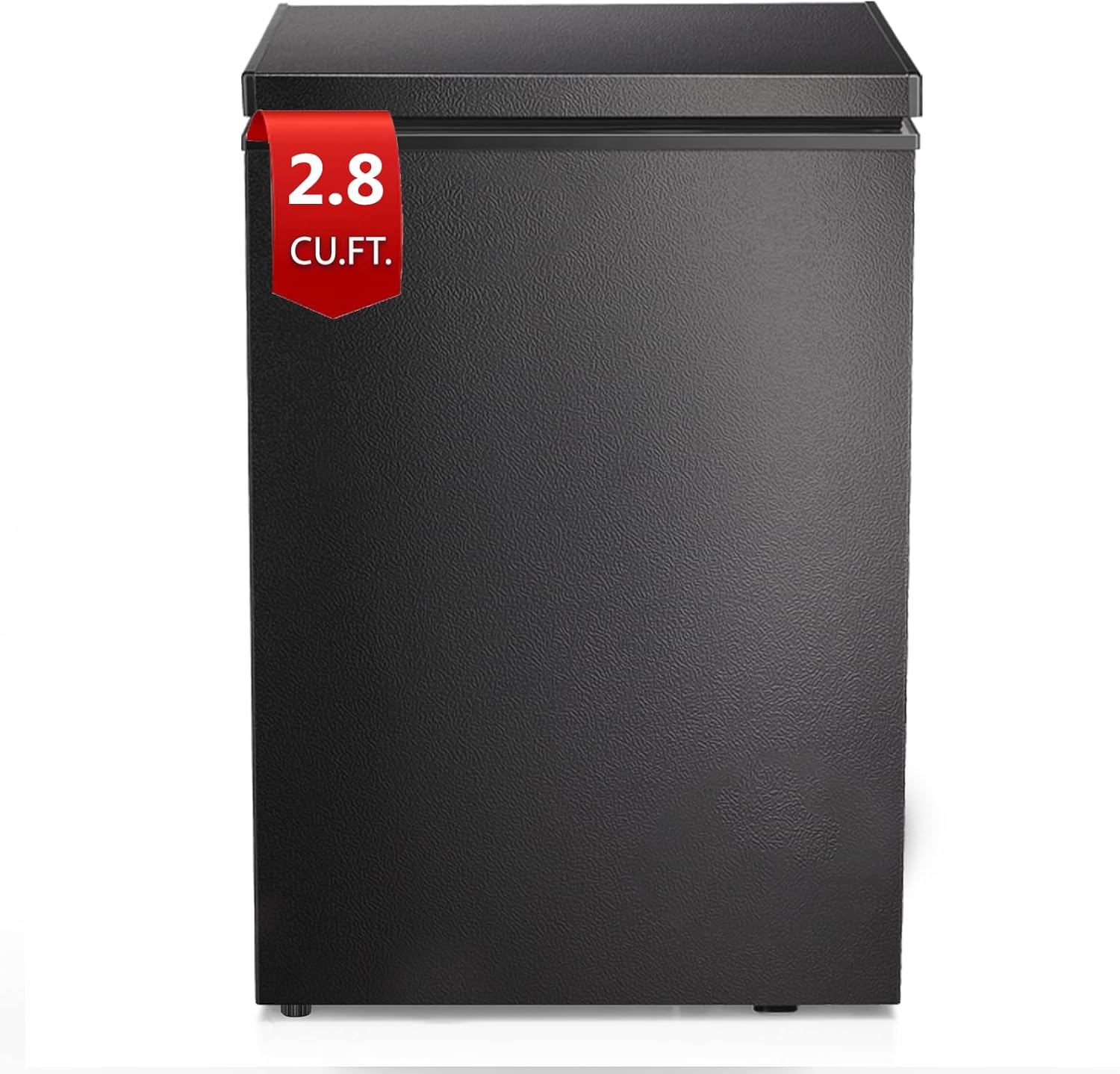
That left the true price champion: the COWSAR 2.8 Cu. Ft. Manual Defrost Chest Freezer (Model #5015669479). Leaving Lowe's with twenty bucks left over for tax and a celebratory taco, I set out to see if a $180 appliance could actually protect my frozen assets, pulling insights from expert aggregate reviews, appliance forums, and long-term user feedback.
The Deep-Dive Review: Is It a Steal or Just Cheap?
1. The Space: Translating "2.8 Cubic Feet"
Let’s be honest: appliance manufacturers love using cubic feet because it sounds clinical, but no one actually knows what a cubic foot looks like.
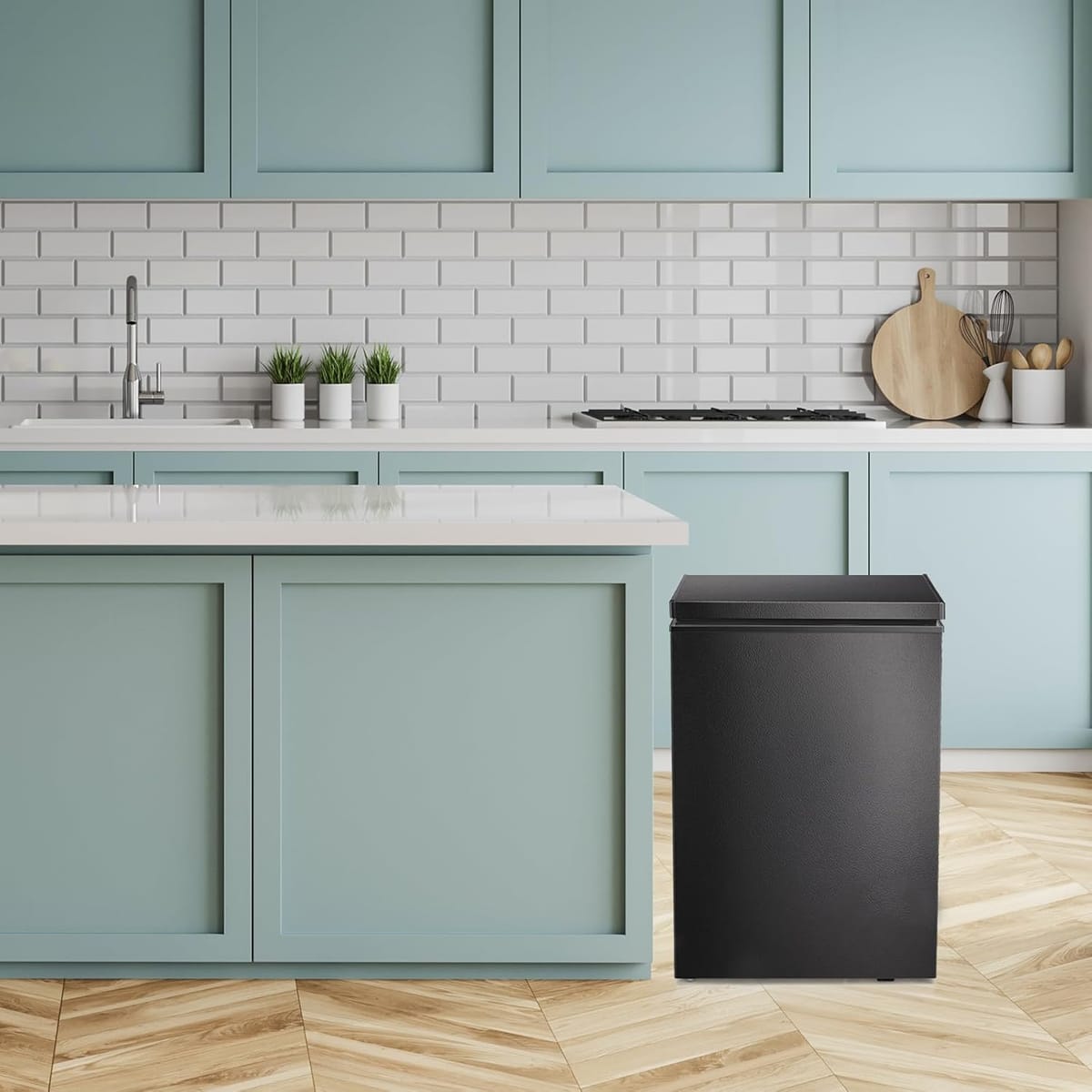
In real-world terms, 2.8 cubic feet is about the size of a standard nightstand. It’s not going to hold half a cow from a local butcher. However, according to long-term reviews on appliance forums, it will easily swallow about 90 to 100 pounds of tightly packed food. Think of it as a dedicated overflow tank. If your main refrigerator freezer is a permanent game of high-stakes Tetris, this COWSAR unit completely solves that problem for a single couple or a small family.
2. The Tech: "Garage Ready" is a Big Deal
Budget freezers usually hate garages. If you put a standard cheap freezer in a garage that hits 100°F in July or drops to 30°F in January, the compressor gets confused, throws a tantrum, and shuts down, turning your food into a science project.
Aggregated data sheets confirm that this COWSAR model is explicitly certified as Garage Ready. It can handle ambient temperatures fluctuating wildly without breaking a sweat. For a $180 unit, finding true garage-ready engineering is like finding a designer jacket at a thrift store—it’s a massive win for practical buyers who don't want an appliance taking up precious kitchen real estate.
3. Energy Efficiency and Noise
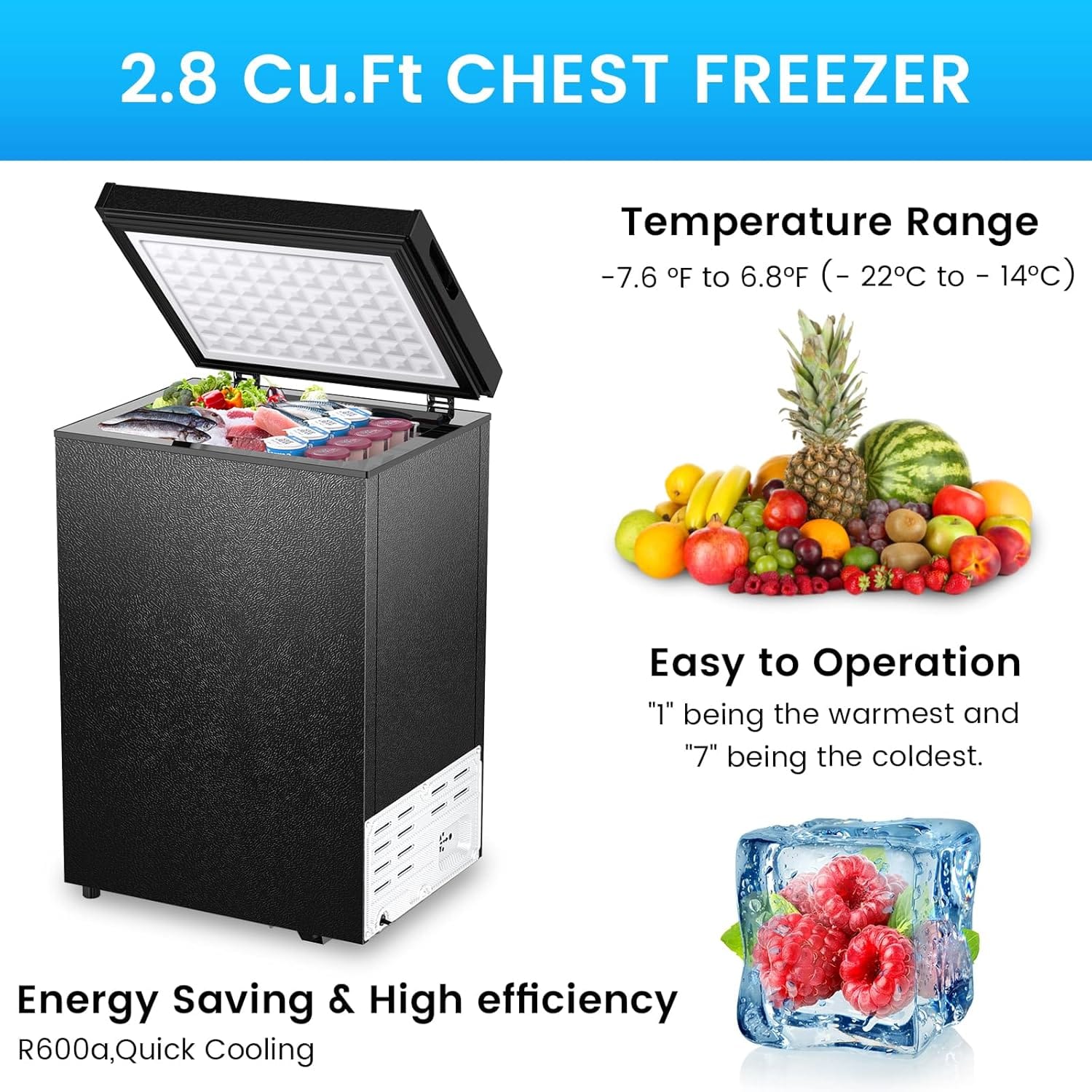
According to Energy Star testing data, this little machine draws incredibly low power—roughly 0.5 kWh per day. Reviewers from off-grid and RV communities frequently praise it because it runs smoothly off small portable solar generators. Your electricity bill will barely notice it's there.
Furthermore, acoustic testing puts this unit at under 40 decibels. To use a clean analogy: it is quieter than a soft rainfall. If you end up putting this in an apartment kitchen or even a dorm room, it won't hum you out of house and home.
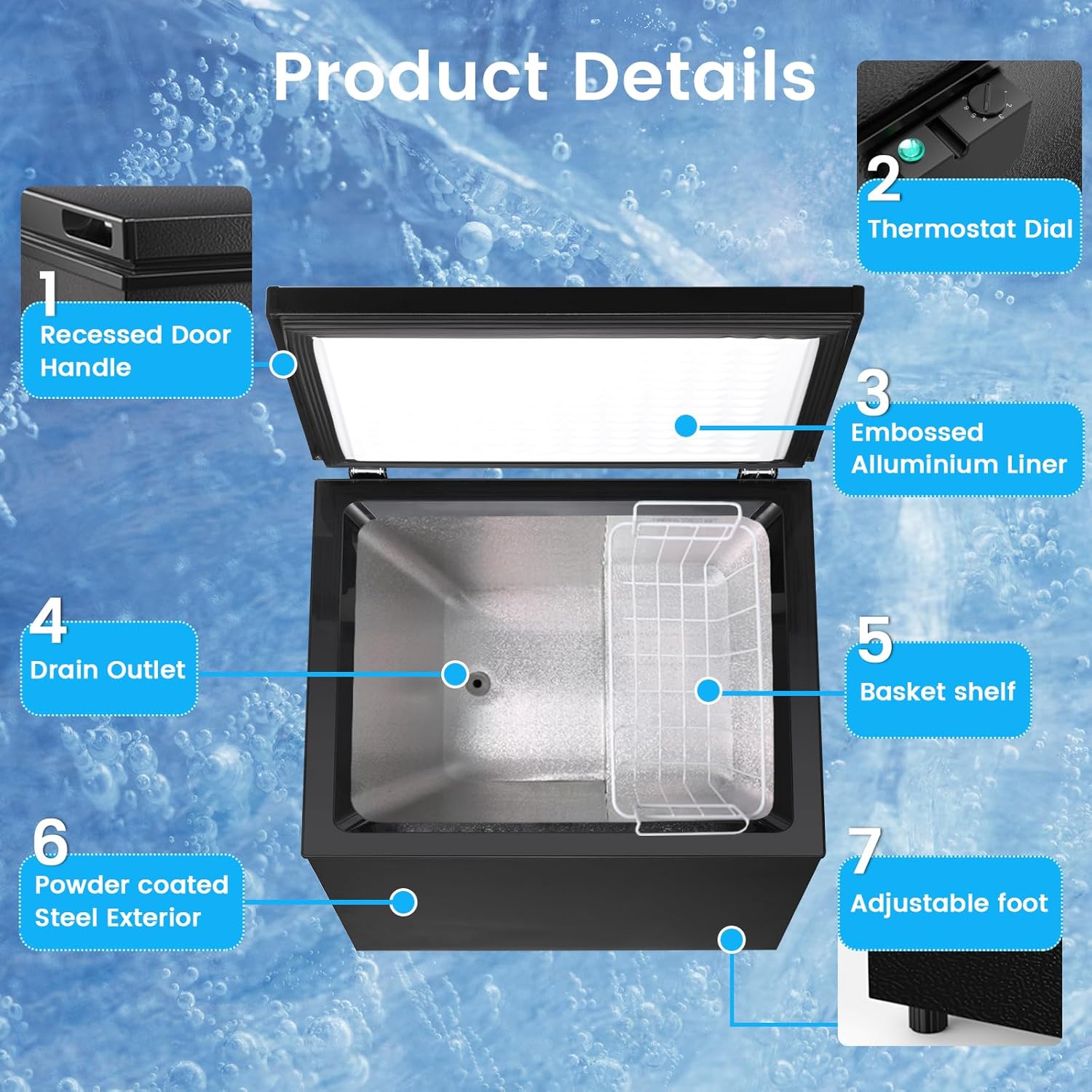
⚠️The Cold, Hard Truth About Manual Defrost:There is no automatic frost-free magic here. Over six to twelve months, ice will slowly build up on the inner walls like an Arctic ice shelf. When it gets thick, you have to unplug it, pull the front drain plug, let it melt, and clean it out manually. It’s a messy chore, but it's the exact reason the freezer is so cheap and energy-efficient (auto-defrost heaters draw massive amounts of power and dry out food faster).
The Final Verdict: A Smart Bargain Hunter's Move
When you buy a budget appliance from a newer brand like COWSAR, you are trading legacy name brand recognition for raw value. If you get a rare defective unit, dealing with customer service can require some patience compared to a legacy brand like GE.
But if you judge this purely on performance per dollar, the COWSAR 2.8 Cu. Ft. is an absolute home run. It gives you more space than the pricier Jeremy Cass, respects your hard $200 financial limit better than the Delamu, and keeps your food rock-solid even in a scorching garage. If your old freezer just bit the dust and your wallet is feeling thin, this is a practical, smart buy that will save your groceries without breaking your bank account.