Shark's robot-vacuum plus mop
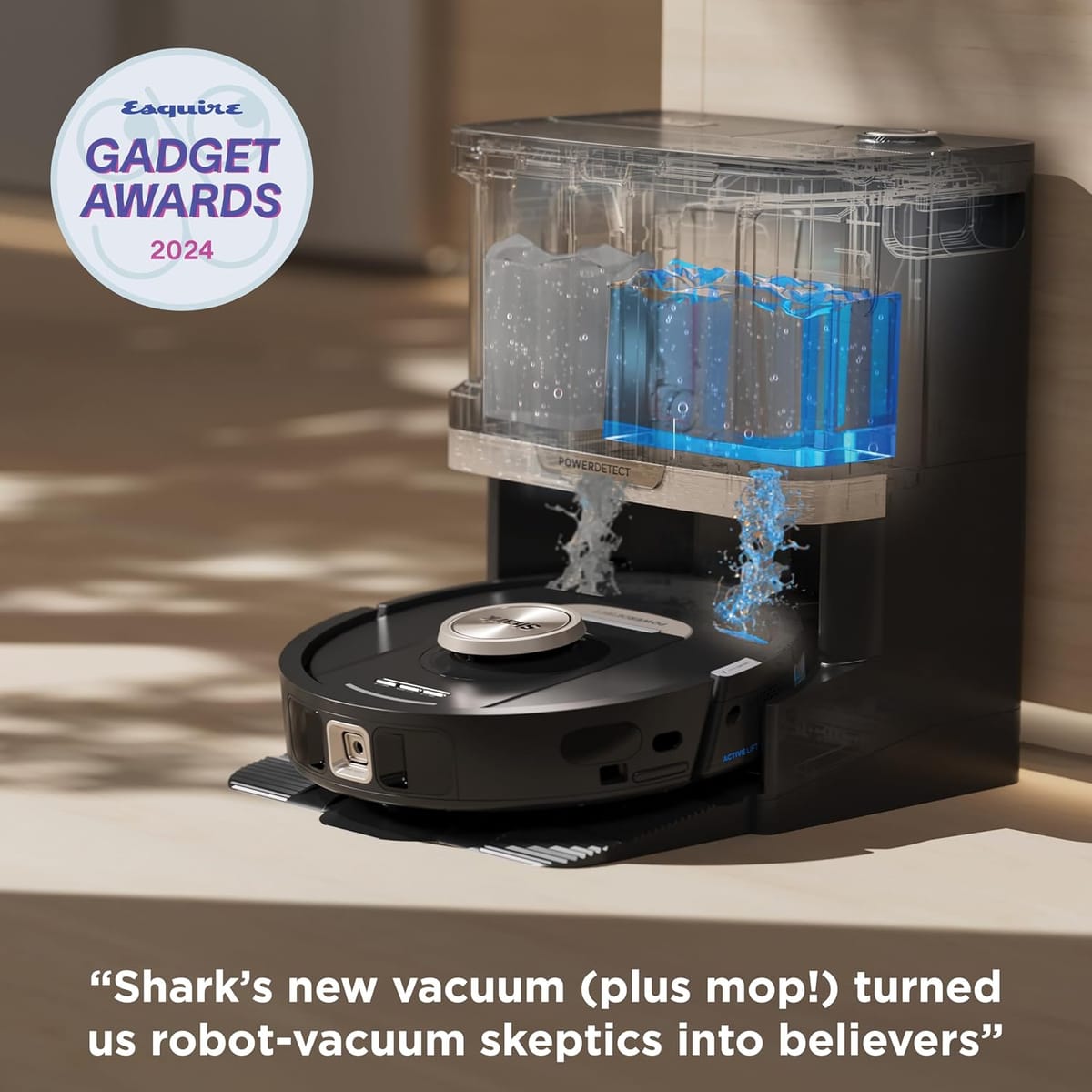
It’s been a while since a robot vacuum genuinely surprised me, but the mid-range market right now is fascinating. We’re in an era where features previously reserved for $1,200 flagship models are filtering down to the $500–$800 tier. The expectation has shifted. A robot vacuum is no longer a gimmick; it’s an appliance. If it requires more maintenance than pushing an upright vacuum, it’s a failure.
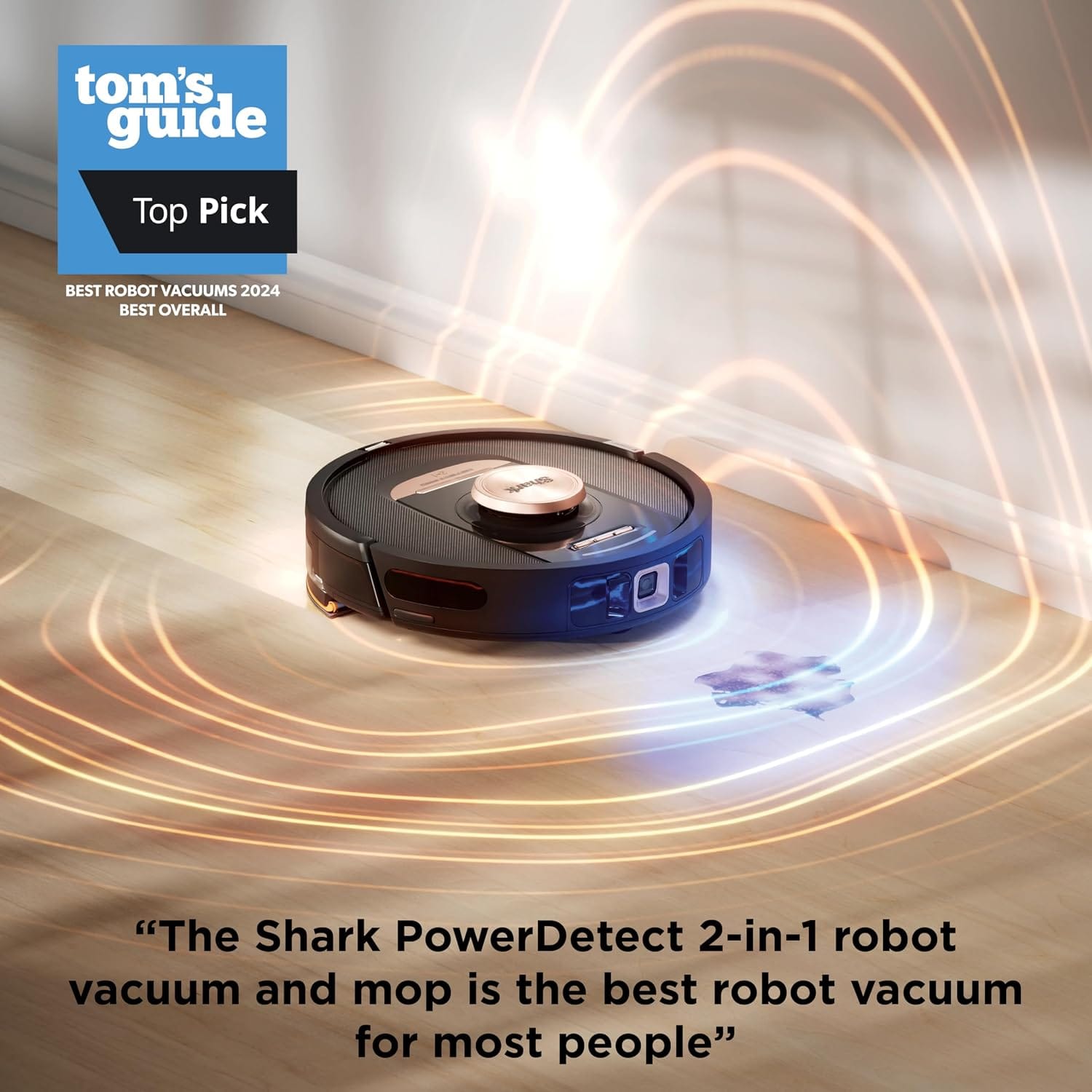
Shark’s current 2-in-1 lineup, encompassing the older Matrix Plus and the newer PowerDetect, attempts to strike that balance of high-end features and reasonable pricing. I’ve spent time evaluating where they sit in the market, particularly examining whether their mopping capabilities are actually useful or just a spec-sheet addition. Let’s look at what they deliver.
The Navigation: LiDAR and Logic
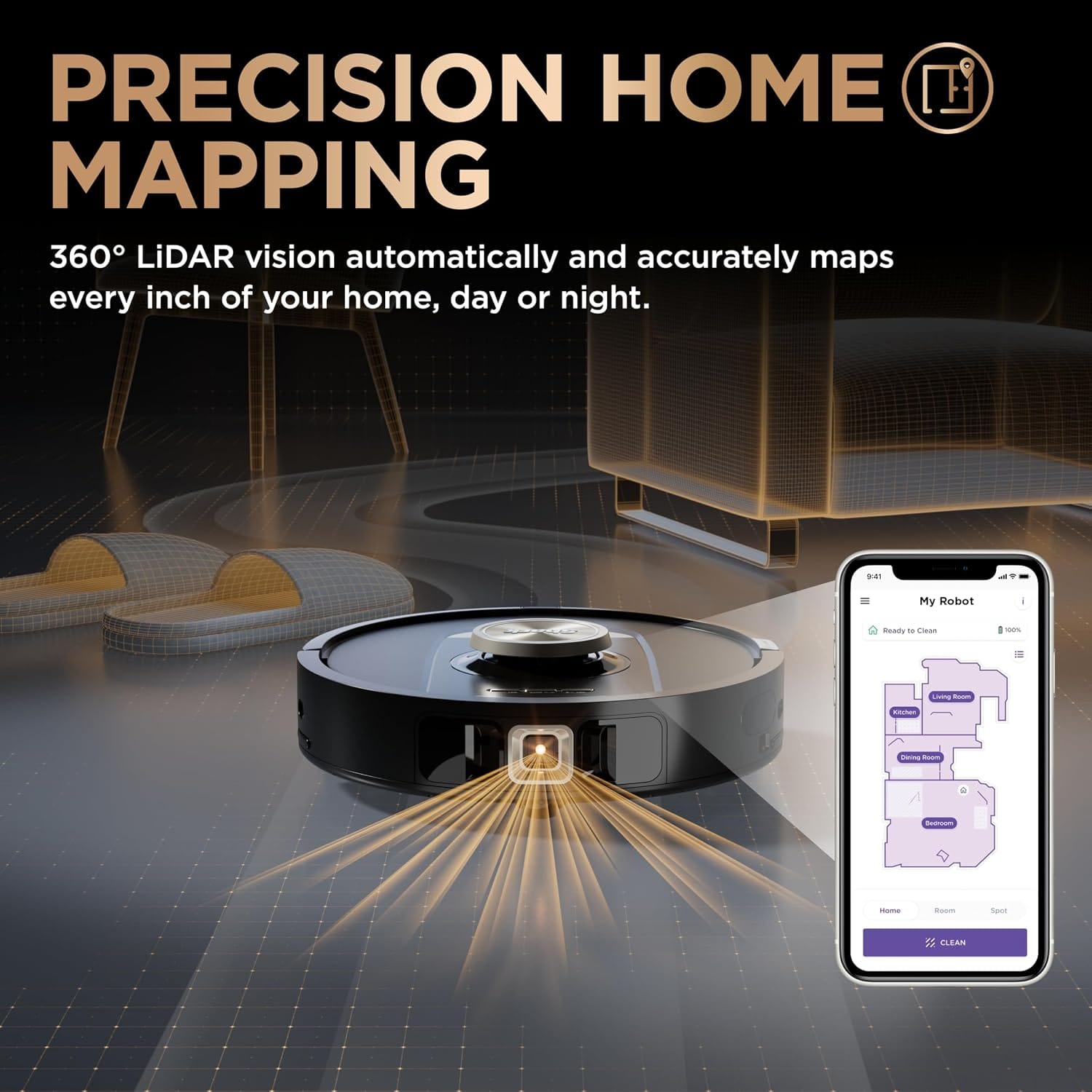
Navigation is the foundation of any robot vacuum. As the adage goes, suction power is irrelevant if the robot can’t find the dirt. Both the Matrix and PowerDetect models utilize LiDAR (Light Detection and Ranging) for mapping. This is the gold standard for mid-range models in 2026, allowing them to map a standard floor plan accurately and navigate efficiently in the dark.
The mapping process is remarkably quick—often completing a 1,500-square-foot ground floor in under 30 minutes. Once mapped, the Shark app allows you to label rooms and set no-go zones.
However, obstacle avoidance is a mixed bag. The newer PowerDetect does a respectable job recognizing larger objects like shoes or throw pillows. But cords? Cords remain the enemy. Neither of these models possesses the advanced AI vision systems found in high-end Roborock or Dreame units. If a phone charger is left dangling on the floor, the Shark will likely try to ingest it. You still need to do a cursory floor sweep before running a cycle.
The "Matrix" Cleaning Method
Shark introduced "Matrix Clean," and it’s a genuinely useful feature. Instead of just doing standard straight lines, when instructed to clean a specific spot or zone, the robot cleans in a grid pattern—first going north-south, then east-west. It makes a noticeable difference on carpets, pulling up embedded debris that a single pass misses.
Vacuuming Performance: The Hair Wrap Reality
Shark built a considerable chunk of its brand reputation on anti-hair wrap brush rolls. If you have pets (or humans with long hair), cutting tangled hair off a vacuum brush roll is a tedious, unpleasant chore.
The brush roll design on these robots—a mix of stiff bristles and silicone fins—works well. It’s not perfect, and you will eventually need to clean the main roller and the side brush, but the frequency is vastly reduced compared to older, traditional bristle rollers.

Suction performance is solid for the price.
Floor Type |
Performance |
Notes |
Hardwood/Tile |
Excellent |
Handles dust, crumbs, and pet hair easily. |
Low-Pile Carpet |
Good |
The Matrix grid pattern is highly effective here. |
High-Pile Carpet |
Fair |
Struggles with deep-set dust; common for this price tier. |
The auto-empty base is a crucial component. The robot docks and evacuates its onboard dustbin into a larger, bagless container in the base station. It is loud—expect a jet-engine sound for about 15 seconds—but it means you only have to empty the main base every few weeks, rather than emptying the robot after every run. Notably, the HEPA filtration in the base is a welcome feature for allergy sufferers.
Mopping: The Real Differentiator
This is where the 2-in-1 aspect gets interesting, and where the differences between Shark models become apparent. For years, mopping on robot vacuums was simply dragging a damp cloth across the floor. It was fine for light dust but useless against actual grime.
The older Matrix models require you to physically swap the dustbin for a mopping fluid reservoir. They utilize "Sonic Mopping," which means the pad vibrates rapidly to scrub stains. It’s effective for general maintenance cleaning—wiping away muddy paw prints or light spills. However, the manual intervention required to switch modes detracts from the "automated" promise.
The PowerDetect Upgrade
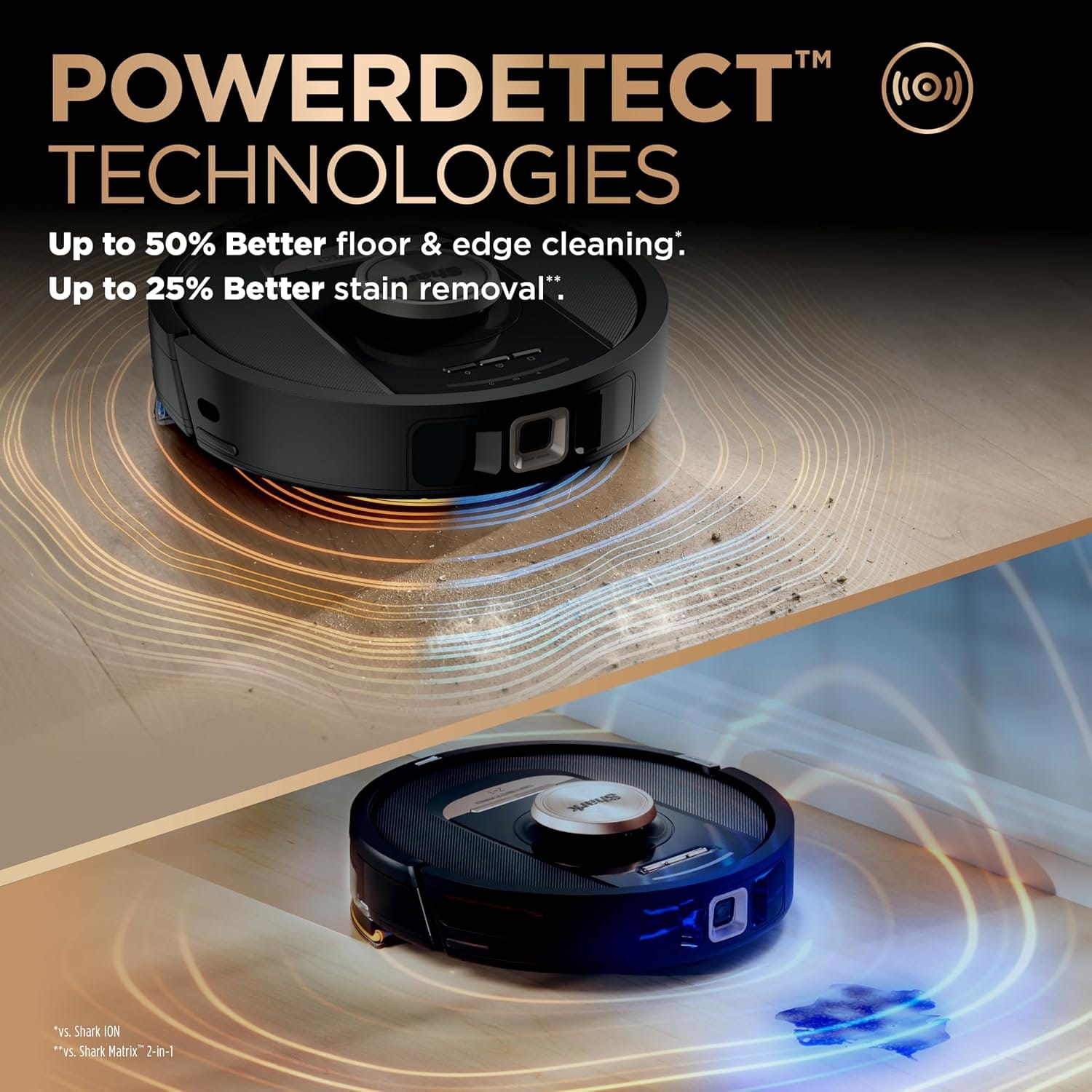
The newer PowerDetect model is a significant step up. It utilizes a single mopping pad that actively shifts and applies pressure, rather than just vibrating. It’s surprisingly capable at scrubbing dried-on messes.
More importantly, the PowerDetect is smarter about when to mop. It can detect carpets and will leave its mopping pad at the base station if you request a vacuum-only run. While it doesn't have the auto-washing and hot-water mop drying of the most expensive competitors, it's a very practical, effective system for the price.
Software and Maintenance
The Shark app is utilitarian. It lacks the polish and deep customization of iRobot's app, but it gets the job done. Scheduling is straightforward, and room selection works reliably. However, editing maps can be frustrating; if you significantly rearrange a room, you might have to delete the map and start over.
Maintenance is an ongoing reality. You must clean the sensors, untangle the occasional cord, and wash the mopping pads. The bagless auto-empty base saves money on proprietary bags, but it does mean you have to deal with a cloud of dust when you empty the main bin into your trash can. There are also several filters—one in the robot and a couple in the base—that require regular cleaning and periodic replacement to maintain suction power.
Shark’s 2-in-1 robot vacuums, particularly the PowerDetect, offer strong cleaning performance and genuine utility. The mopping is effective enough to handle daily grime, and the anti-hair wrap tech is a tangible benefit. While the software needs refinement and obstacle avoidance isn't perfect, they represent a solid value proposition—especially when you find them on sale.