Samsung Galaxy Z Fold8 & Z Fold8 Ultra: Which One Actually Makes Sense?
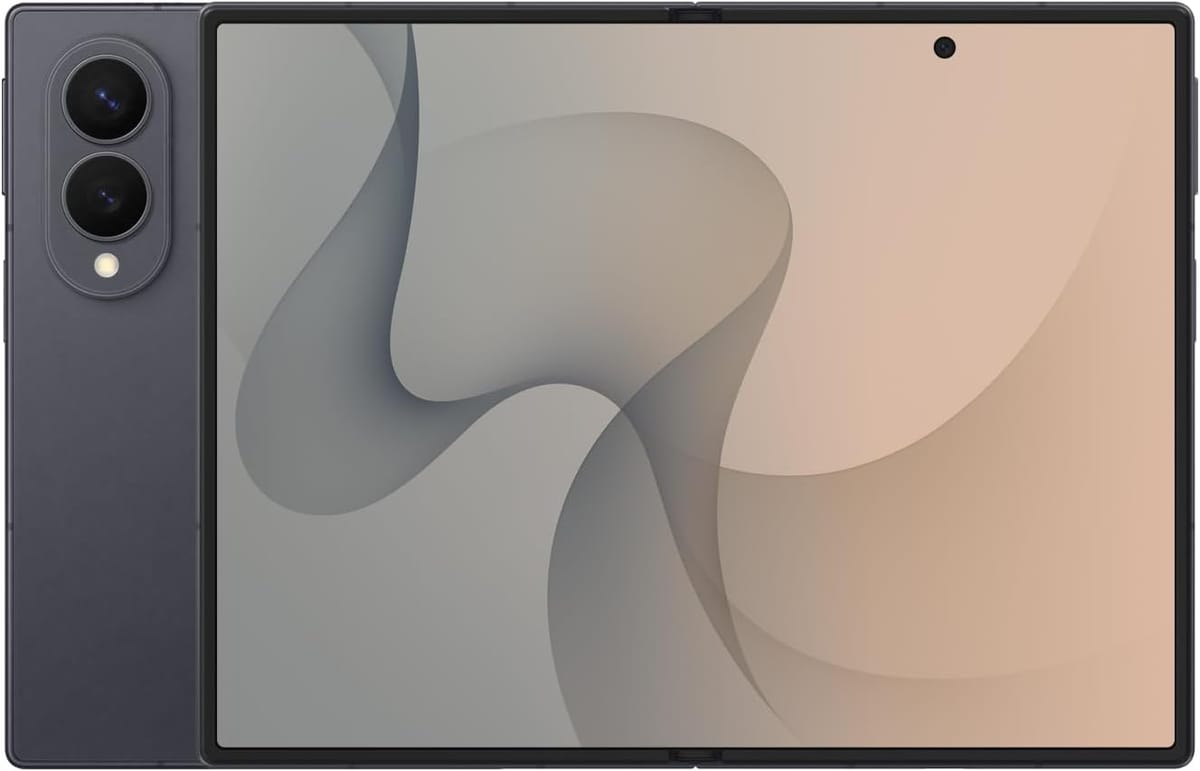
Samsung launched two book-style foldables in July 2026: the Galaxy Z Fold8 and the Galaxy Z Fold8 Ultra. They share a processor, the same core software, and the same IP48 durability rating. They are not the same phone.
One is a genuine departure from everything Samsung has done with foldables. The other is a refinement of the existing formula with a bigger screen and better cameras.
Here is what you need to know before spending $1,899 or $2,099.
The Key Difference Is Not the Spec Sheet
The Galaxy Z Fold8 is not the successor to the Z Fold7. The Z Fold8 Ultra is.
Samsung has split its Fold lineup into two distinct directions. The Ultra carries forward the tall, narrow design that has defined the Fold series since 2019. The standard Fold8 adopts a shorter, wider "passport-style" form factor with a 4:3 inner display ratio.
This is not a minor tweak. It changes how you hold the phone, how you watch video, and how it fits in your pocket.

Galaxy Z Fold8: The New Shape
The standard Z Fold8 measures 161.4 x 123.9 x 4.5mm unfolded and 81.9 x 123.9 x 9.7mm folded. It weighs 201 grams. That is lighter than the Galaxy S26 Ultra and lighter than the Z Fold8 Ultra.
Cover screen: 5.5-inch Dynamic AMOLED 2X, 1248 x 1972 resolution, 120Hz
Inner display: 7.6-inch Foldable Dynamic AMOLED 2X, 2448 x 1848 resolution (4:3 aspect ratio), 120Hz, 3,000 nits peak brightness
Cameras: Dual 50MP rear (wide + ultra-wide), no telephoto lens
Battery: 4,800mAh with 45W wired charging
Processor: Snapdragon 8 Elite Gen 5 for Galaxy
RAM/Storage: 12GB/256GB base, up to 16GB/1TB
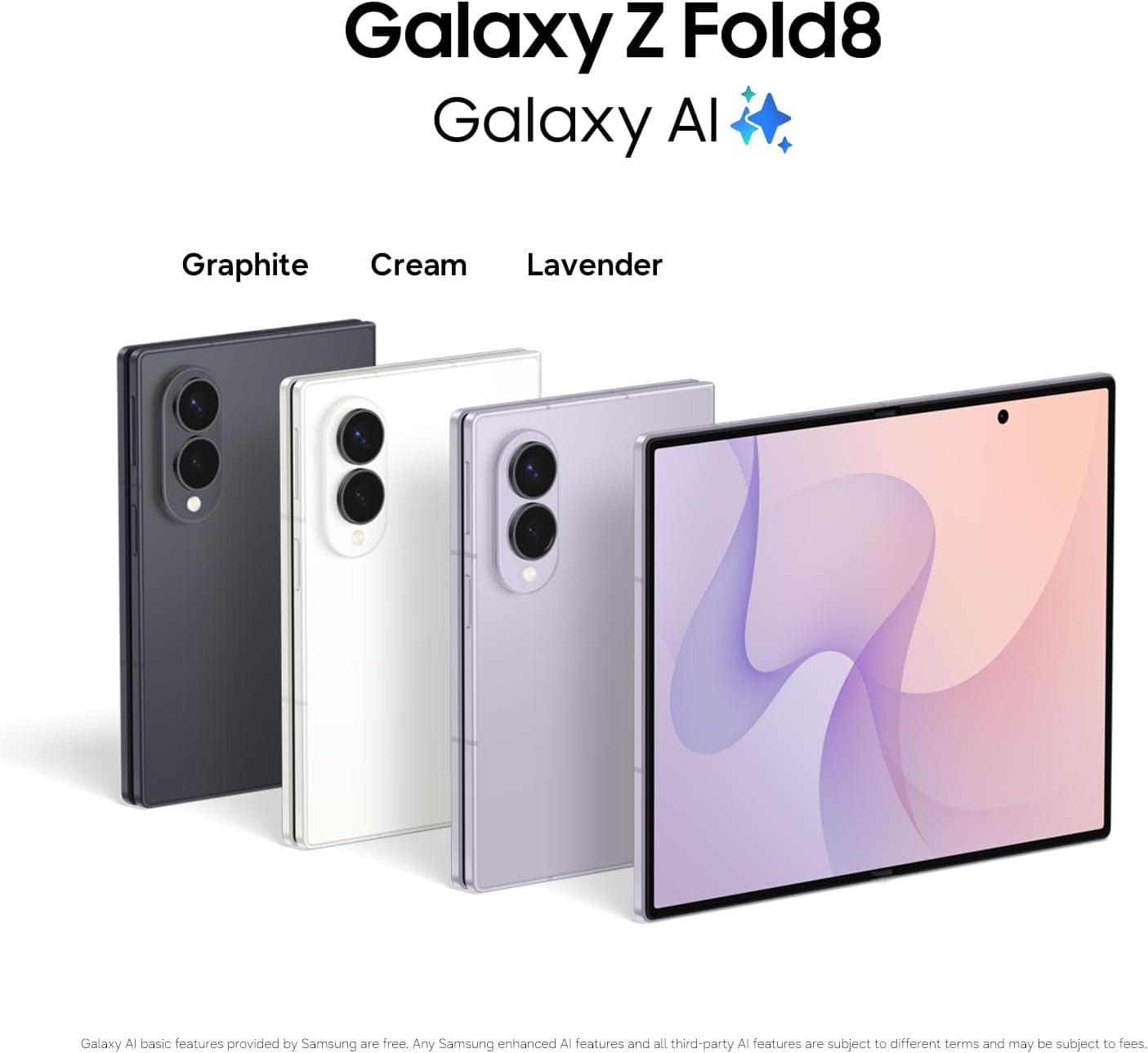
Colors: Graphite, Cream, Lavender, Pistachio (Samsung.com exclusive)
The 4:3 inner display is optimized for photos (which default to 4:3), reading documents, books, and text-heavy websites. When you rotate the phone to landscape, the cover screen gives you a 16:10 aspect ratio—common on laptops and tablets, well-suited for video and gaming.
The trade-off: the phone is wider (81.9mm) and shorter than the Ultra. PCMag describes it as "passport-shaped" and notes that its broader proportions "give your palm more surface area to support the device, reducing the top-heavy feeling". In battery testing, PCMag recorded 16 hours and 30 minutes of continuous use.
Galaxy Z Fold8 Ultra: The Familiar Upgrade
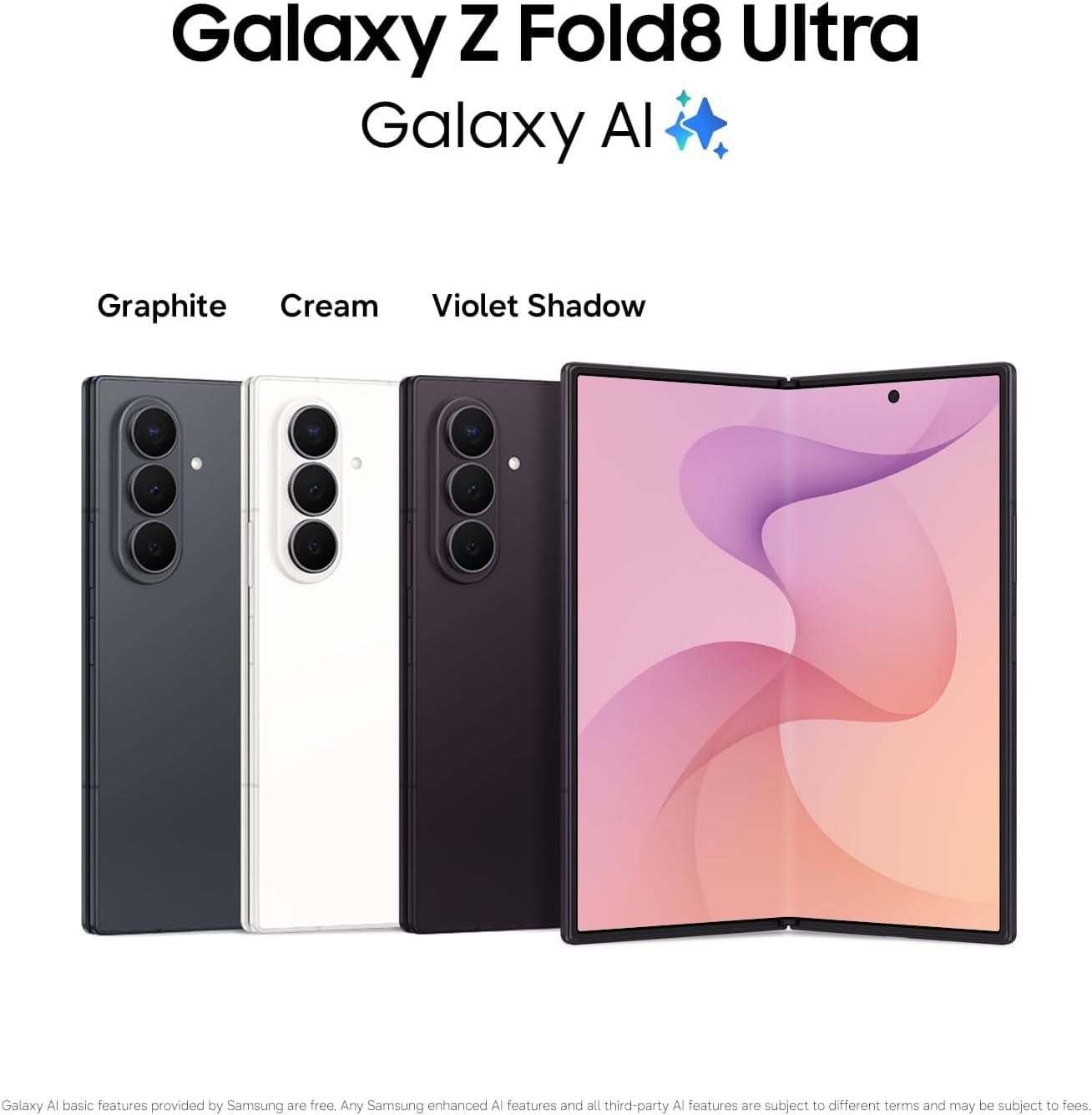
The Z Fold8 Ultra keeps the tall, narrow profile of previous Folds. It measures 158.4 x 143.2 x 4.1mm unfolded and 158.4 x 72.8 x 8.9mm folded. It weighs 215 grams. That is 14 grams heavier than the standard Fold8.
Cover screen: 6.5-inch Dynamic AMOLED 2X, 1080 x 2520 resolution, 120Hz, Gorilla Glass Ceramic 3
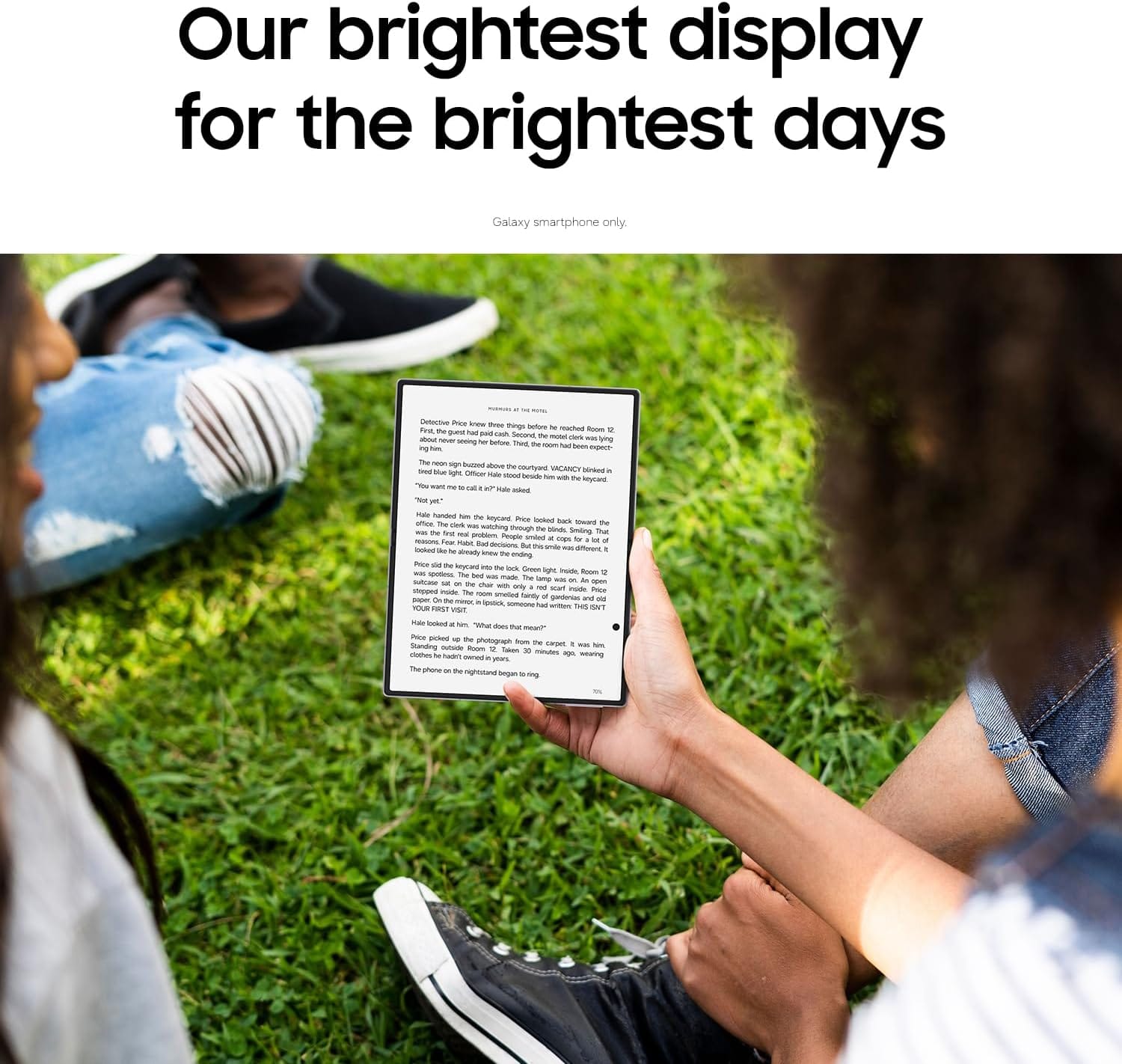
Inner display: 8.0-inch QXGA+ Dynamic AMOLED 2X, 2504 x 2256 resolution, 120Hz, 3,000 nits peak brightness
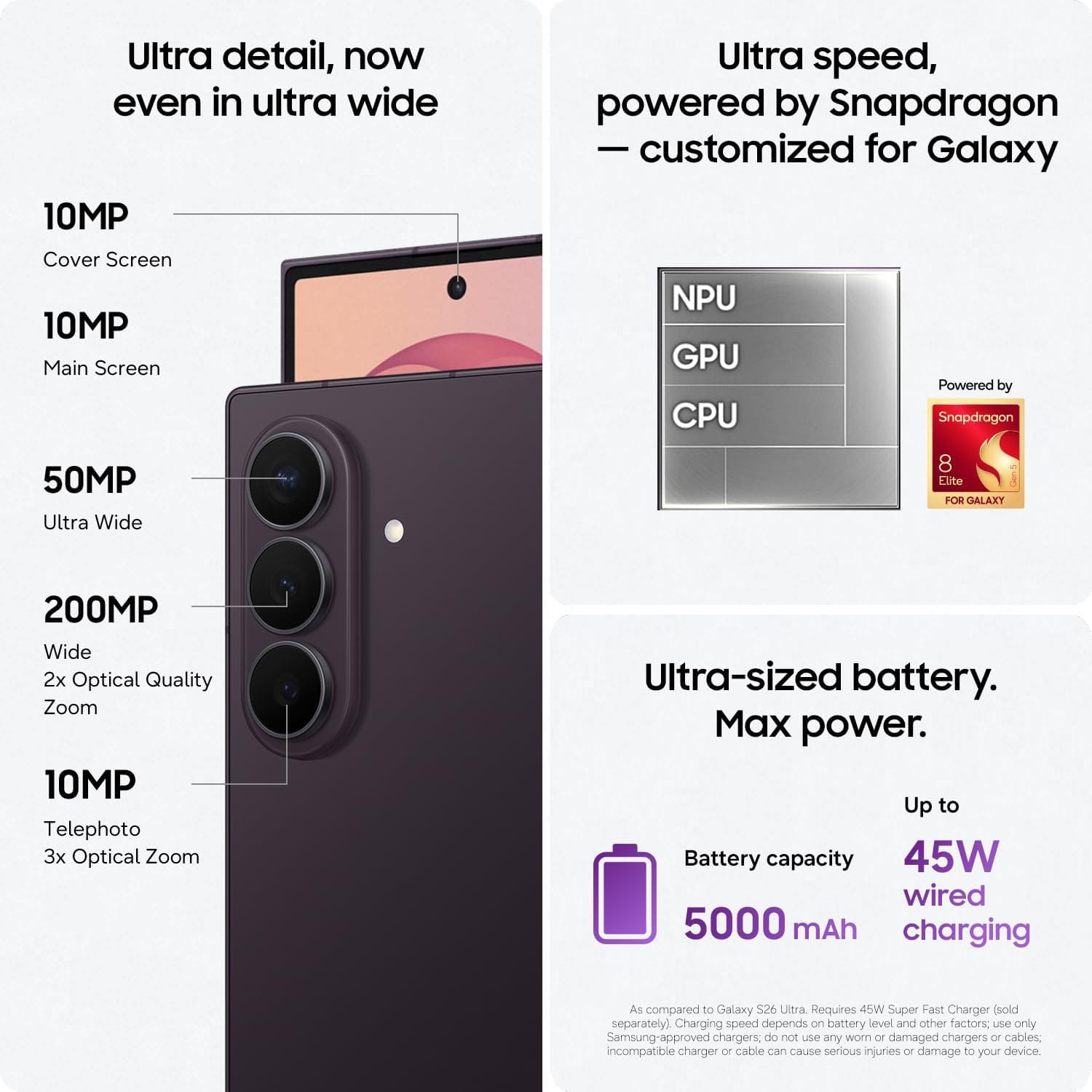
Cameras: 200MP wide + 50MP ultra-wide + 10MP telephoto (3x optical zoom)
Battery: 5,000mAh silicon-carbon with 45W wired charging
Processor: Snapdragon 8 Elite Gen 5 for Galaxy
RAM/Storage: 12GB/256GB base, up to 16GB/1TB
Colors: Violet Shadow, Graphite, Cream, Green Shadow (Samsung.com exclusive)
The Ultra is the thinnest Galaxy Z Fold ever at 4.1mm unfolded. The main display resolution has jumped to 2504 x 2256 from 1968 x 2184 on the Fold7, pushing pixel density to 422ppi.
The 200MP main camera is a significant step up from the Fold8's 50MP sensor. The Ultra also includes a telephoto lens, which the standard Fold8 lacks entirely. The battery is a 5,000mAh silicon-carbon unit, which Samsung says charges to nearly 70% in 30 minutes via the 45W dual-path system.
Head-to-Head Comparison
| Spec | Z Fold8 | Z Fold8 Ultra |
|---|---|---|
| Inner display | 7.6-inch, 4:3 | 8.0-inch, taller |
| Cover display | 5.5-inch | 6.5-inch |
| Weight | 201g | 215g |
| Folded thickness | 9.7mm | 8.9mm |
| Unfolded thickness | 4.5mm | 4.1mm |
| Main camera | 50MP + 50MP | 200MP + 50MP + 10MP telephoto |
| Battery | 4,800mAh | 5,000mAh |
| Starting price | $1,899 | $2,099 |
Data compiled from Samsung official specifications and PCMag.
Both phones use the same Snapdragon 8 Elite Gen 5 chipset. Both run Android 17 with One UI 9. Both have the same 45W wired and 20W wireless charging speeds. The performance difference between them will be negligible in everyday use—the Ultra is not faster, it is just larger and better equipped in the camera department.
Durability: IP48 and 200,000 Folds
Both the Z Fold8 and Z Fold8 Ultra carry an IP48 rating for dust and water resistance.
IP48 means the device is protected against solid objects larger than 1mm (the "4" in IP48) and can withstand immersion in up to 1.5 meters of water for 30 minutes (the "8").
The "4" dust rating is not the highest available—IP6X would indicate full dust protection. Samsung and Motorola are the exceptions this year in offering IP48 on foldables, while most competitors do not offer any meaningful dust resistance. The phone can handle rain, splashes, and accidental submersion, but fine dust and sand remain a concern. Gizmodo's review lists "Only IP48 rating" as a downside.
Both devices use Gorilla Glass Ceramic 3 on the outer display and Samsung's Flex Titanium display technology—a titanium backplate and substrate that helps reduce the display crease and improve durability.
Samsung rates the hinge for 200,000 folds on both models. The standard Fold8 uses a simpler hinge without Flex Mode support. The Ultra includes a magnet-assisted hinge.
Neither phone includes a built-in magnet ring for wireless charging accessories.
S Pen: Not Supported
Neither the Galaxy Z Fold8 nor the Z Fold8 Ultra supports the S Pen.
Samsung dropped S Pen support with the Z Fold7 and has not brought it back. Even if you buy an S Pen separately and try to pair it, it will not work.
The irony: the Fold8's 4:3 inner display "would've been near perfect for the S Pen," as SamMobile notes. Samsung cited technical challenges in maintaining the thin, lightweight design while supporting the stylus. The company has not ruled out bringing S Pen back to future Fold models, but there is no timeline.
If stylus support is essential, look at the Galaxy S26 Ultra or older Fold models that supported it.
Who Is the Z Fold8 Actually For?
The Z Fold8 is for people who consume a lot of content on their phone and want a foldable that feels natural in hand.
The 4:3 aspect ratio means you get minimal letterboxing when watching video. The 16:10 cover screen in landscape orientation is what you would expect from a small tablet. If you watch Netflix, YouTube, or TikTok regularly, the Z Fold8 delivers a better media experience than the taller Ultra. GSMarena notes that the Z Fold8 "actually beats the larger Galaxy Z Fold8 Ultra when viewing a standard 16:9 aspect video".
The 201g weight makes it lighter than many non-foldable flagship phones. It is genuinely pocketable despite the width—shorter than the Ultra when folded (123.9mm vs 158.4mm).
The downsides are real: no telephoto camera at $1,899 is a compromise. PCMag lists "only average cameras" as a con. The speakers could be better. And some apps are not yet optimized for the 4:3 display.
Buy the Z Fold8 if: you watch a lot of video, read documents or books on your phone, value a lighter device, and can live without a telephoto lens.
Who Is the Z Fold8 Ultra Actually For?
The Z Fold8 Ultra is for people who want the largest possible foldable screen, the best cameras Samsung offers in a foldable, and the familiar tall form factor.
The 8-inch inner display is the biggest in Samsung's Fold lineup. The 200MP main camera is a genuine upgrade over the standard Fold8's 50MP sensor. The 3x optical telephoto lens is useful if you photograph subjects at a distance. The 5,000mAh battery is larger and charges quickly.
The Ultra is also thinner (4.1mm unfolded) and slightly narrower when folded (72.8mm vs 81.9mm), making it easier to grip one-handed.
But the taller form factor means more letterboxing when watching widescreen video. The Ultra is heavier and more expensive. And the core performance is identical to the cheaper Fold8.
Buy the Z Fold8 Ultra if: you want the biggest screen, need the telephoto camera, prefer the traditional tall Fold design, and are willing to pay the $200 premium.
Who Should Skip Both?
If you need stylus support: neither phone supports the S Pen. Look at the Galaxy S26 Ultra or an older Fold model that does.
If you are on a budget: $1,899 is not budget-friendly by any measure. The Motorola Razr Fold starts lower and offers a competitive book-style foldable experience. The Google Pixel 10 Pro Fold is also worth considering.
If you prioritize camera quality over screen size: a traditional flagship like the Galaxy S26 Ultra will give you better cameras for less money. The Z Fold8's dual 50MP setup is competent but not class-leading.
If you need full dust protection: IP48 means the "4" dust rating is not the highest available. If you work in dusty environments, this is a genuine concern.
Price: What You Actually Pay
| Model | 256GB | 512GB | 1TB |
|---|---|---|---|
| Z Fold8 | $1,899 | $2,099 | $2,499 |
| Z Fold8 Ultra | $2,099 | $2,299 | $2,699 |
Prices from Samsung US and CNBC.
The base Z Fold8 Ultra costs the same as the 512GB Z Fold8. That is the pricing trap: if you need more storage on the standard model, you are paying Ultra money for an inferior camera system and a smaller screen.
Both phones are $100 more than their predecessors due to rising memory chip costs. CCS Insight's Ben Wood noted that Samsung appears to be absorbing some of the cost increases rather than passing them all to consumers.
What Would I Pay?
At MSRP, neither phone is a bargain.
The Z Fold8 at $1,899 is expensive for a phone with no telephoto camera and only average speakers. The value proposition hinges entirely on whether the 4:3 display form factor works for you. If it does, there is no alternative at this size and weight. If it does not, the price is hard to justify.
The Z Fold8 Ultra at $2,099 is expensive, period. You are paying for the biggest screen and the best cameras in a Samsung foldable. The question is whether that matters to you.
Personally: I would wait for the first price drop or trade-in deal. Samsung typically offers aggressive trade-in values and bundle discounts within the first few months. At $1,699 for the Fold8 or $1,899 for the Ultra, the math starts to make more sense. At MSRP, you are paying the early-adopter tax.
Alternatives Worth Considering
Motorola Razr Fold ($1,799 estimated): 8.1-inch inner display, 6.6-inch cover screen, Snapdragon 8 Gen 5, larger battery. PCMag's comparison called it "the superior choice" in some respects. Motorola takes a more aggressive approach to the book-style foldable category.
Google Pixel 10 Pro Fold: Offers IP68 resistance—better than Samsung's IP48 for dust protection—and Qi2 magnetic wireless charging. Google's software and camera processing are differentiators.
Oppo Find N6: Currently rated as one of the best foldables available. Worth comparing if available in your region.
Honor Magic V6: Known for excellent battery life and thinness.
The Bottom Line
Samsung has done something interesting: instead of one Fold phone, they now offer two distinct form factors.
The Z Fold8 is the more interesting device. The 4:3 aspect ratio and passport-style shape are genuine departures from the tall, narrow foldables that have dominated the category. It is lighter, better for video, and easier to hold. The compromises—no telephoto, average speakers—are real but may be acceptable depending on your use case.
The Z Fold8 Ultra is the safer choice. It is what the Z Fold7 would have been with a spec bump. Bigger screen, better cameras, larger battery. It does not take risks, and it does not surprise. It is just… more.
If you watch a lot of video and want something that feels different: Z Fold8.
If you want the biggest screen and the best cameras in a Samsung foldable: Z Fold8 Ultra.
If you are not sure: wait. The prices will drop, the reviews will accumulate, and the competition from Motorola, Google, and Apple will force Samsung to adjust.
Sources
- Samsung official product pages and support documentation
- PCMag reviews and comparisons
- GSMarena specifications and news
- SamMobile durability and S Pen coverage
- CNBC pricing and industry analysis
- Digital Trends specifications
- Times of India specifications
- Gadgets 360 specifications
- Yahoo Tech comparison
Disclosure: Prices and specifications are accurate as of launch (July 22, 2026). Regional pricing and availability may vary. All USD prices are U.S. MSRP. This article does not contain affiliate links and is not sponsored by Samsung or any other manufacturer.