What Happens When a Rocket Company Thinks Bigger Than the Planet?
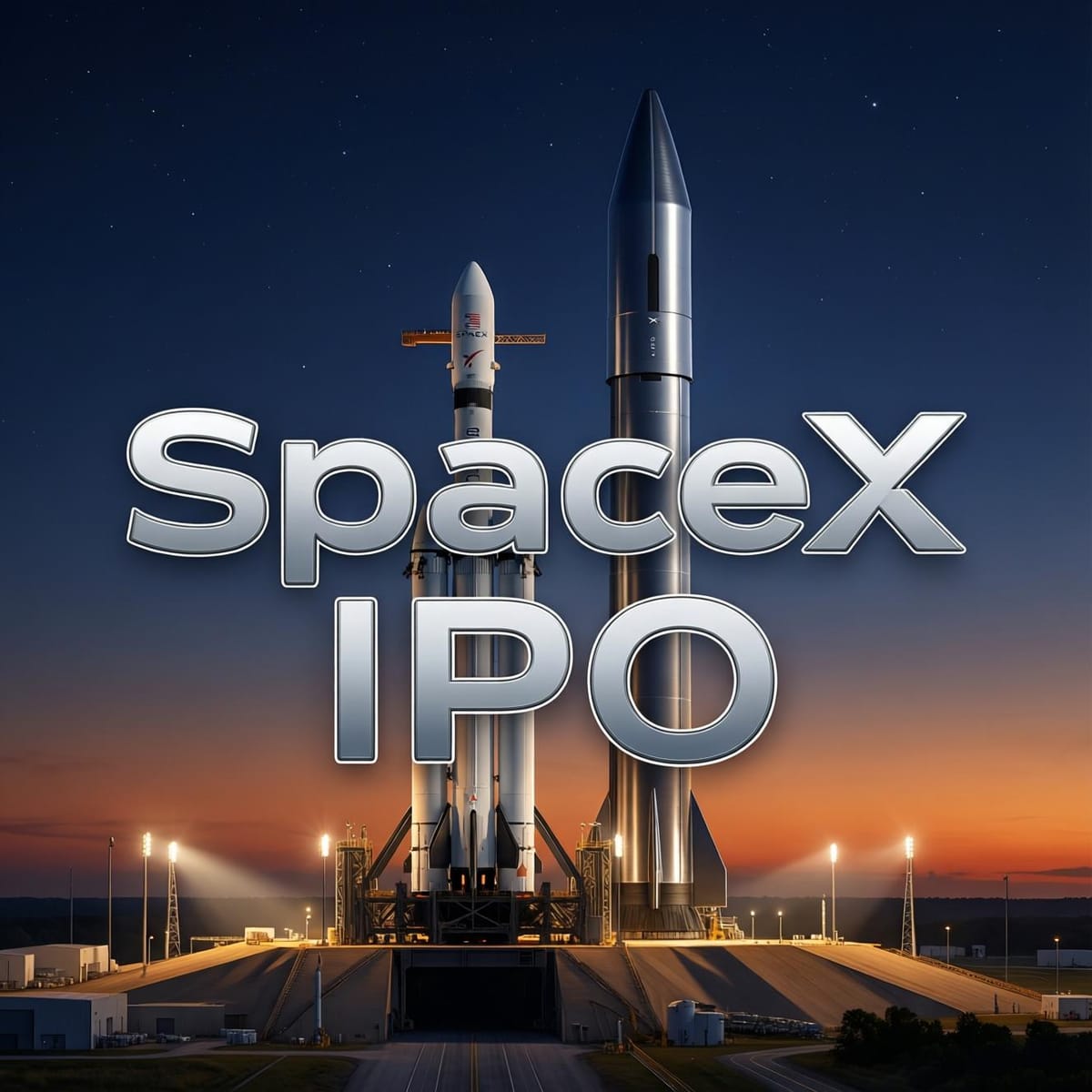
On Friday, June 12, 2026, Elon Musk's SpaceX blasted off onto Wall Street with the biggest IPO in stock market history, raising an eye-watering $75 billion. The company sold over 555 million shares at $135 each, giving it a staggering valuation of $1.77 trillion. For perspective, that's nearly sixty times the previous IPO record set by Saudi Aramco. The demand was so intense that the order book was oversubscribed about four times over, with sovereign wealth funds scrambling for a piece.
Just minutes before Nasdaq opened, SpaceX launched a Falcon 9 rocket packed with 29 Starlink satellites from Cape Canaveral. "Go SpaceX, go Starlink," a company official cheered on the live feed. "Occupy Mars!" As one commentator put it, an IPO is a company selling a story about its future. And Musk has written quite a tale.
Source: LiveNOW from FOX
A Brief History of Defying Gravity
SpaceX was born in 2002 from a simple frustration. Fresh off the PayPal sale and flush with cash, Musk was disappointed to learn that NASA had no serious Mars mission in development. He planned to send a small greenhouse to the red planet to grow plants, but couldn't find a rocket to carry it, so he decided to build one himself. With $100 million of his own money, he founded SpaceX with a vision that still sounds like science fiction: to make humans a multiplanetary species.
The early years were brutal. The first three Falcon 1 launches all exploded. By 2008, both Musk and SpaceX were nearly bankrupt. Then, on the fourth attempt, Falcon 1 finally reached orbit. That success came just in time to win a $1.6 billion NASA contract to resupply the International Space Station, saving the company.
What followed was relentless innovation. In 2015, against the advice of virtually every aerospace expert, SpaceX successfully landed a Falcon 9 booster upright on a drone ship. Critics had called it impossible. Musk had called it common sense. Why throw away a multimillion-dollar rocket after every launch when you could refuel and refly it like an airplane? Today, that booster has flown over 35 times, and Falcon 9 has completed more than 600 launches, averaging over two per week—more than the rest of the world combined.
SpaceX now handles about 80% of all global commercial launch mass to orbit, has over 10,000 Starlink satellites in space serving 10.3 million customers in 164 countries, carries NASA astronauts to the space station, and is developing Starship, the largest rocket ever built. Not bad for a company that began two decades ago as one man's impossible dream.
How Good Is the Technology, Really?
Let me put this in terms any bargain hunter can appreciate. Before SpaceX, launching a kilogram of payload to low-Earth orbit cost about $42,000 using traditional expendable rockets like NASA's Space Shuttle. Today, SpaceX's Falcon 9 charges around $3,600 per kilogram—a 91% price cut. And that's just the Falcon 9. With Starship, the goal is to drive costs down to under $200 per kilogram.
The Falcon 9's first stage can now be reused over 20 times with minimal refurbishment. SpaceX has spent roughly $400 million developing the Falcon 9, which has become the most reliable and flown rocket in history. Competitors simply cannot match this. United Launch Alliance still launches non-reusable rockets costing hundreds of millions per flight. Blue Origin's New Glenn rocket, which aims to partially reuse its first stage like Falcon 9, suffered a pad explosion in May 2026 and remains grounded. Arianespace, Europe's traditional launch provider, has been forced into an existential restructuring because they cannot compete on price.
The only credible challenger is Rocket Lab, which currently launches small payloads and hopes to debut its partially reusable Neutron rocket in late 2026. But Rocket Lab's market cap is $66 billion compared to SpaceX's $1.77 trillion—a reminder of how wide the gap truly is. As one analyst noted, "SpaceX turned a competitive moat into an ocean of opportunity that we don't see others crossing."
What to Expect: The Near and Far Future
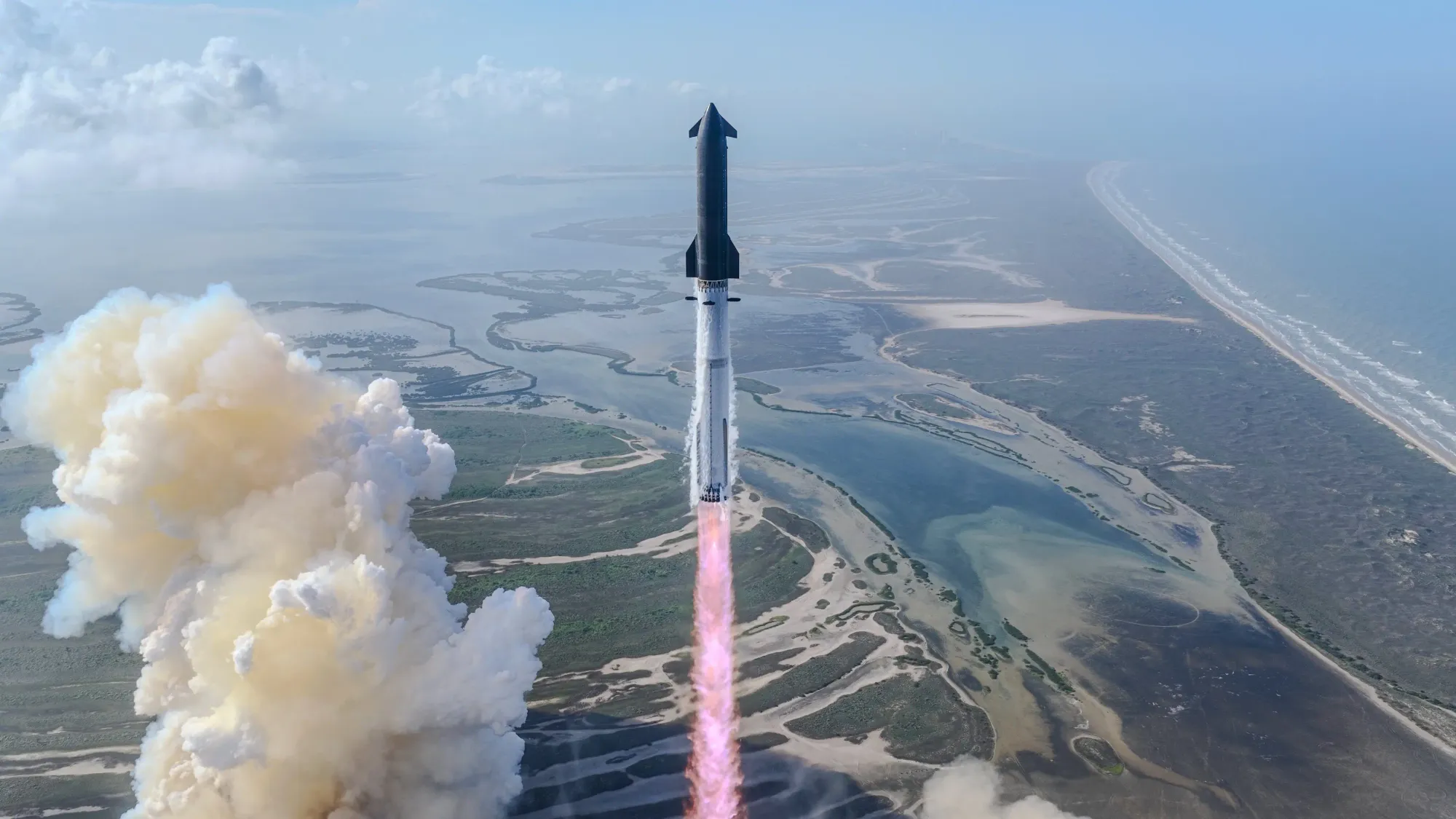
In the near term, SpaceX is laser-focused on finishing Starship. The company has already invested over $15 billion developing the fully reusable spacecraft—thirty-seven times what it spent on Falcon 9. The 12th test flight in May 2026 was largely successful, deploying mock satellites and executing a controlled ocean splashdown, though the booster failed its re-entry burn. Progress is real, but the finish line remains distant.
Starlink remains the company's only truly profitable business, generating $113.9 billion in 2025 revenue with an impressive 63% EBITDA margin. But there's a catch: average revenue per user has dropped from $99 in 2023 to $66 in early 2026 as SpaceX expands into poorer countries and faces competition from terrestrial broadband providers. Starlink is a cash cow, but it's not an unlimited one.
The far future is where things get properly wild. SpaceX plans to use Starship to launch orbital AI data centers, building space-based supercomputers powered by unlimited solar energy with free cooling from the vacuum of space. The company has already signed compute contracts with Anthropic and Google worth over $26 billion annually. Musk also plans to deploy 100,000 next-generation Starlink satellites, eventually building a constellation of one million AI satellites generating a terawatt of orbital computing power.
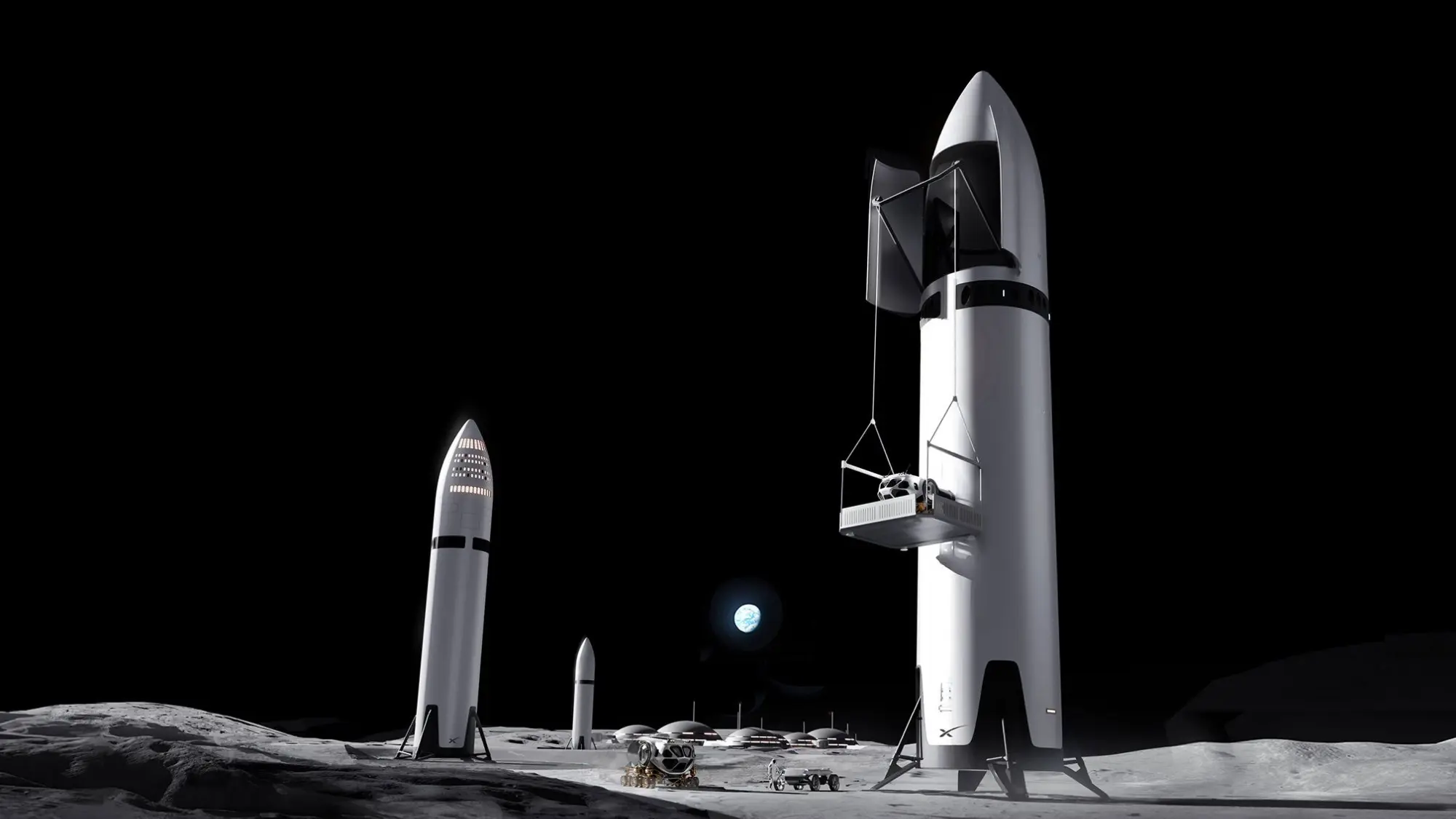
Oh, and there's also that whole Mars thing. The first uncrewed Starship voyages to the red planet are planned for 2030. Musk wants to establish a self-sustaining colony of one million people on Mars. It's a goal so audacious that even he admits the timeline is aspirational.
The Bottom Line
Here's where my bargain-hunter instincts kick in. Morningstar, an independent research firm, pegs SpaceX's fair value at around $780 billion—less than half the IPO price. The company lost nearly $5 billion in 2025, largely due to AI-related losses, and burned through almost $2.5 billion per quarter in early 2026. Starship remains unproven. Orbital data centers are theoretical. And Musk retains over 80% of voting rights through super-voting shares, meaning public shareholders have virtually no say in how the company is run.
Oppenheimer analyst Timothy Horan thinks differently, setting a $190 price target and arguing that no other company is doing what SpaceX does. Wolfe Research projects 70% revenue growth through 2030, assuming Starship works as promised.
My take? SpaceX is a phenomenal company with world-changing technology. But at $1.77 trillion, you're paying for the dream, not the reality. That's not necessarily wrong—many of history's greatest investments were bets on audacious visions. Just know that you're buying a ticket on a rocket that's still being built, and space travel, as SpaceX itself has proved repeatedly, is never without risk.
The future is being written in stainless steel and rocket fuel. Whether you want a front-row seat at that price is up to you.