Gear Review: Is the ZOLEO Satellite Communicator Actually Worth the Pack Space?
I don’t like being reachable when I’m in the backcountry. That’s half the reason I go. But I like the idea of breaking a leg and lying in a ravine for three days even less, and my family likes it least of all. For years, the market for not dying in the woods has been dominated by a few massive names, but the ZOLEO Satellite Communicator has dug its way into my standard pack rotation.
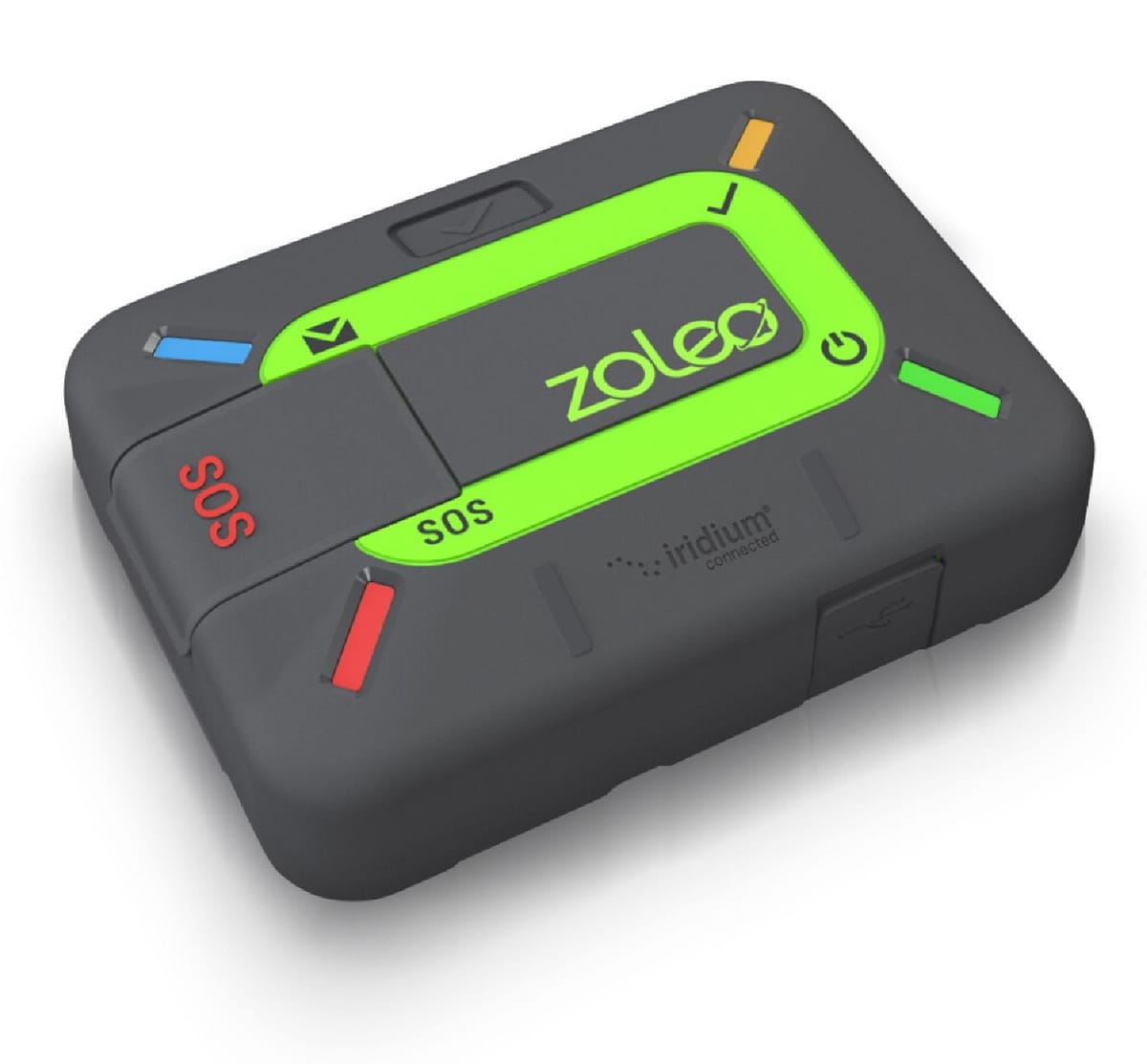
Let's skip the dramatic marketing pitches about "ultimate freedom" and look at how this 5.3-ounce plastic brick actually handles the dirt, the trees, and the frustrating reality of satellite subscription plans.
The Good: The Parts That Didn't Annoy Me
If you’ve ever used an older handheld radio or a legacy GPS unit, you know the interface is usually garbage. ZOLEO bypasses this by forcing you to use your smartphone via Bluetooth.
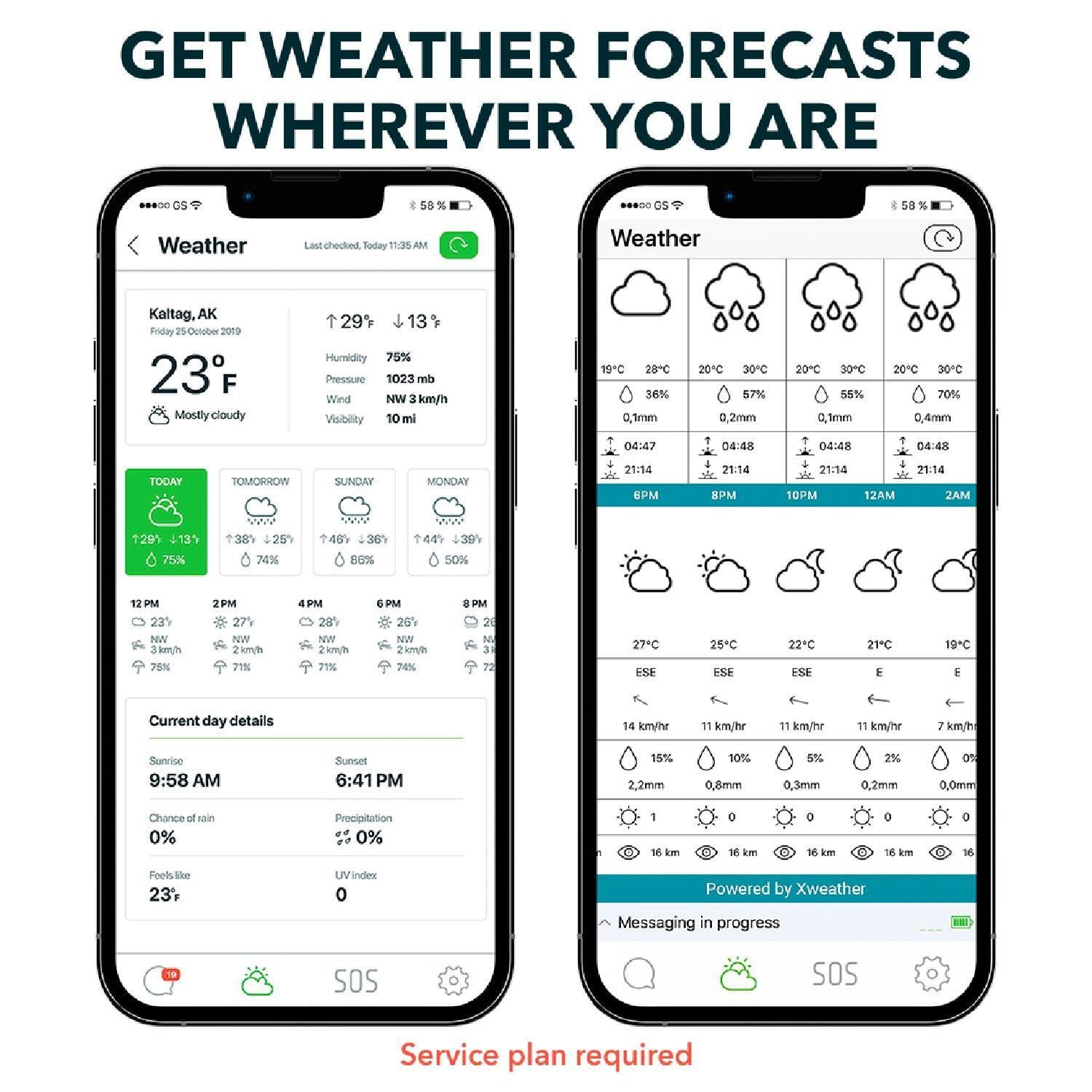
The standout feature here is what they call "least-cost routing." When you have cell service or Wi-Fi, the app routes texts normally. The second you cross into a dead zone, it seamlessly switches over to the Iridium satellite network. More importantly, it gives you a dedicated SMS number. Your contacts don't have to navigate a bizarre web portal or an automated text string just to reply to you; it looks like a normal text thread on their end.
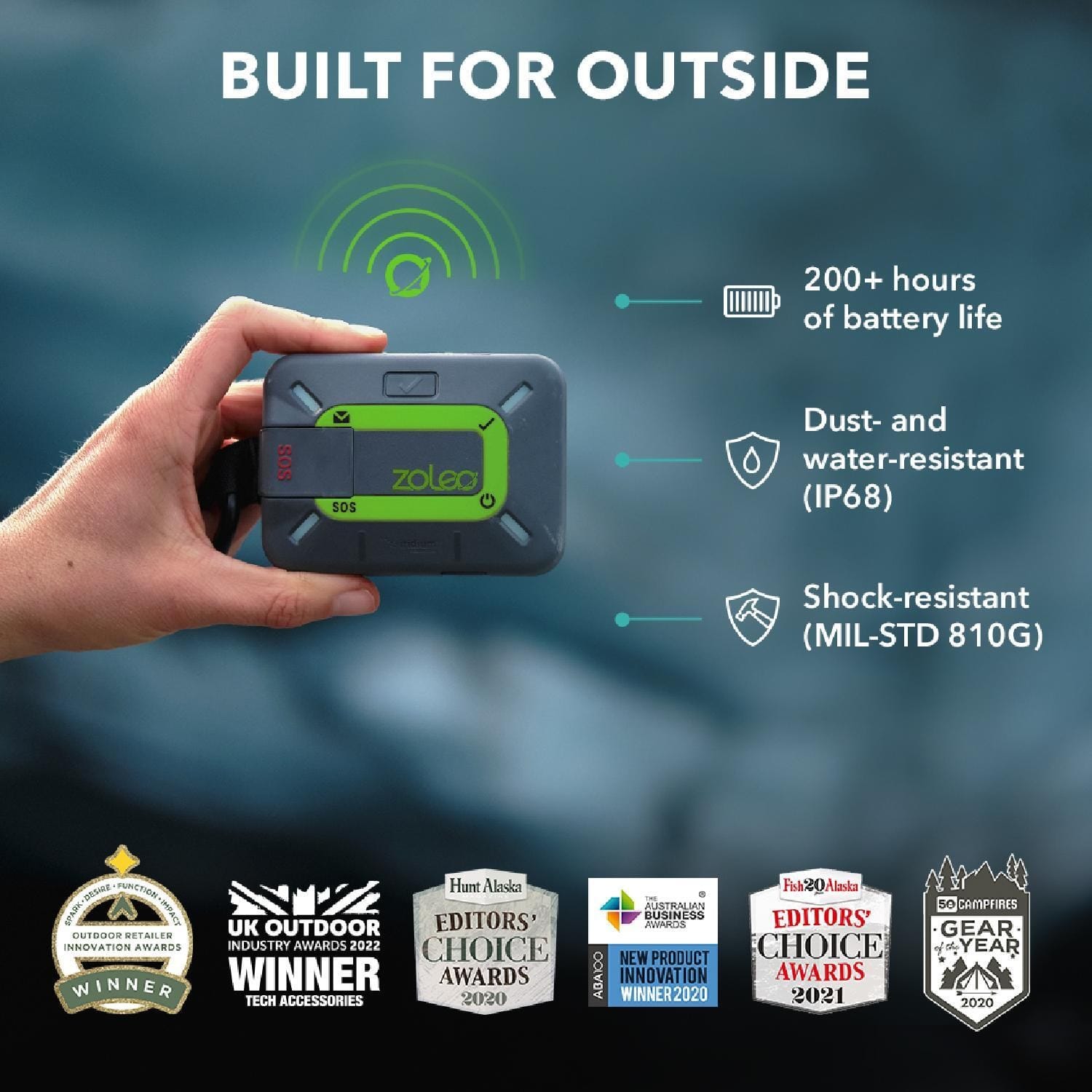
Physically, it’s built properly. It uses a thick, rubberized chassis rated for MIL-STD 810G drops and IP68 water resistance. I dropped it onto solid granite during a water filter setup on my last trip, and it didn't crack the housing or lose its pairing. Battery life holds up to the 200-hour claim, too. On a three-day weekend trek with the device checking for messages every 12 minutes, I came home with more than half the battery intact.
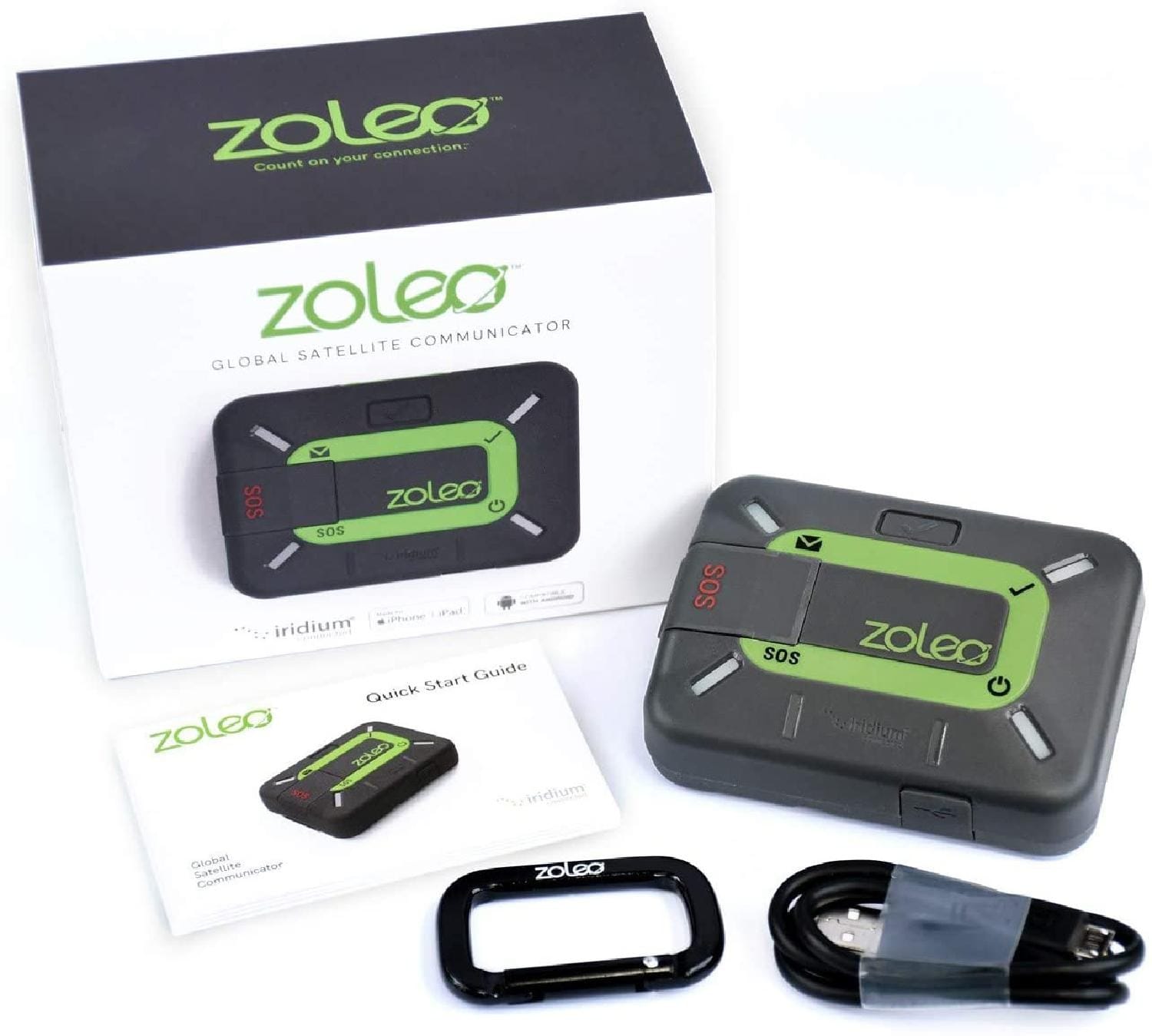
If your phone dies or you drop it down a scree field, the device has two physical, analog buttons: an "I'm OK" check-in button that transmits your coordinates to pre-selected contacts, and an SOS button protected under a hard plastic flap to prevent accidental deployments.
The Real Trade-offs: What Annoyed Me
No piece of gear is perfect, and this one has some design choices that genuinely irritate me.
First, it charges via Micro-USB. It is inexcusable to ship a backcountry electronics device that forces me to carry an outdated, fragile cable when literally every headlamp, phone, and camera battery has migrated to USB-C. It’s a minor annoyance at home, but a major pain when you're managing cables in a tent in the dark.
Second, the lack of a built-in screen is a double-edged sword. If your phone battery freezes out in late-autumn conditions, or if you smash your phone screen, the ZOLEO is effectively reduced to a one-way emergency beacon. You can trigger an SOS or say "I'm OK," but you cannot read any replies or type custom messages without your phone.
What I Expected to Like But Didn’t
The app features a "Medical Assist" function, which is supposed to act as a non-emergency helpline for when you have a weird rash or a minor sprain but don't want to call a search-and-rescue helicopter. In theory, it sounds great. In practice, trying to troubleshoot a medical issue via laggy 2-way satellite texting while swatting mosquitoes is an exercise in frustration. It's too slow for practical, anxious questions, and if things are truly bad enough that I'm worried, I’m going to use the actual SOS button anyway.
The Bottom-Line Questions
Who is this for?
Hikers, overlanders, and backcountry campers who already carry their smartphones everywhere and want an uncomplicated, reliable way to keep their family updated without decoding 160-character limits. It's ideal for people who value a seamless texting experience over standalone navigation tools.
Who should skip it?
Olympians of minimalism and deep-winter explorers. If you refuse to carry a smartphone or operate in extreme sub-zero environments where phone batteries instantly die, you need a standalone unit with an integrated screen and buttons (like a Garmin InReach Mini or GPSMAP series).
What would I buy instead?
If I needed integrated topo mapping and independent typing without relying on a secondary Bluetooth device, I’d shell out the extra cash for a Garmin InReach Mini 2. It’s lighter (3.5 oz vs 5.3 oz), uses USB-C, and operates entirely on its own screen.
What would I only buy if it was discounted?
The ZOLEO device retail price sits around $149, which is fair for the hardware. However, the real cost is the subscription. If you only go out twice a year, the $20 activation fee, the monthly plans, and the $4/month suspension fee feel steep. I’d wait for a holiday sale on the hardware to offset those recurring operational costs.
Disclosure: This review is based on hands-on field testing. Gear was purchased independently. No compensation or editorial oversight was provided by the manufacturer.